The Defenders
These are the people who protect art from destruction, theft, and corruption. They preserve paintings, monuments, and artifacts so that history and culture are not lost. Through their work, they ensure that the memory and creativity of humanity endure. These are the individuals and institutions who stand against the erasure of beauty, safeguarding humanity’s shared memory.
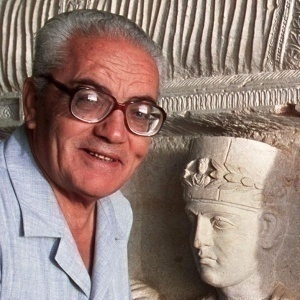
Khaled al-Asaad
He was a Syrian martyr, archaeologist, writer, and translator, and the head of antiquities in the ancient city of Palmyra. When Palmyra came under ISIS control in May 2015, Asaad was captured by the jihadist group and later publicly executed. Before he was killed, he was tortured for information about the locations of hidden ancient works of art, but he refused to reveal anything.
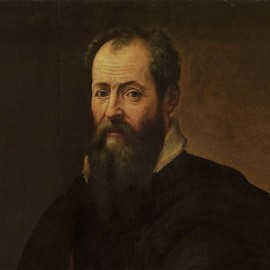
Giorgio Vasari
An Italian painter, architect, and writer of the Renaissance, Vasari is considered the founder of art history. While he was not a defender of cultural heritage in the modern, physical sense, his work played a crucial role in preserving art through documentation and historical memory. In his landmark book Lives of the Most Excellent Painters, Sculptors, and Architects, Vasari recorded the biographies, works, and techniques of generations of artists, many of whose creations have since been lost or destroyed. By shaping how Renaissance art was remembered, valued, and transmitted, Vasari preserved a vast cultural legacy in words, ensuring that artistic achievements survived beyond their material existence.
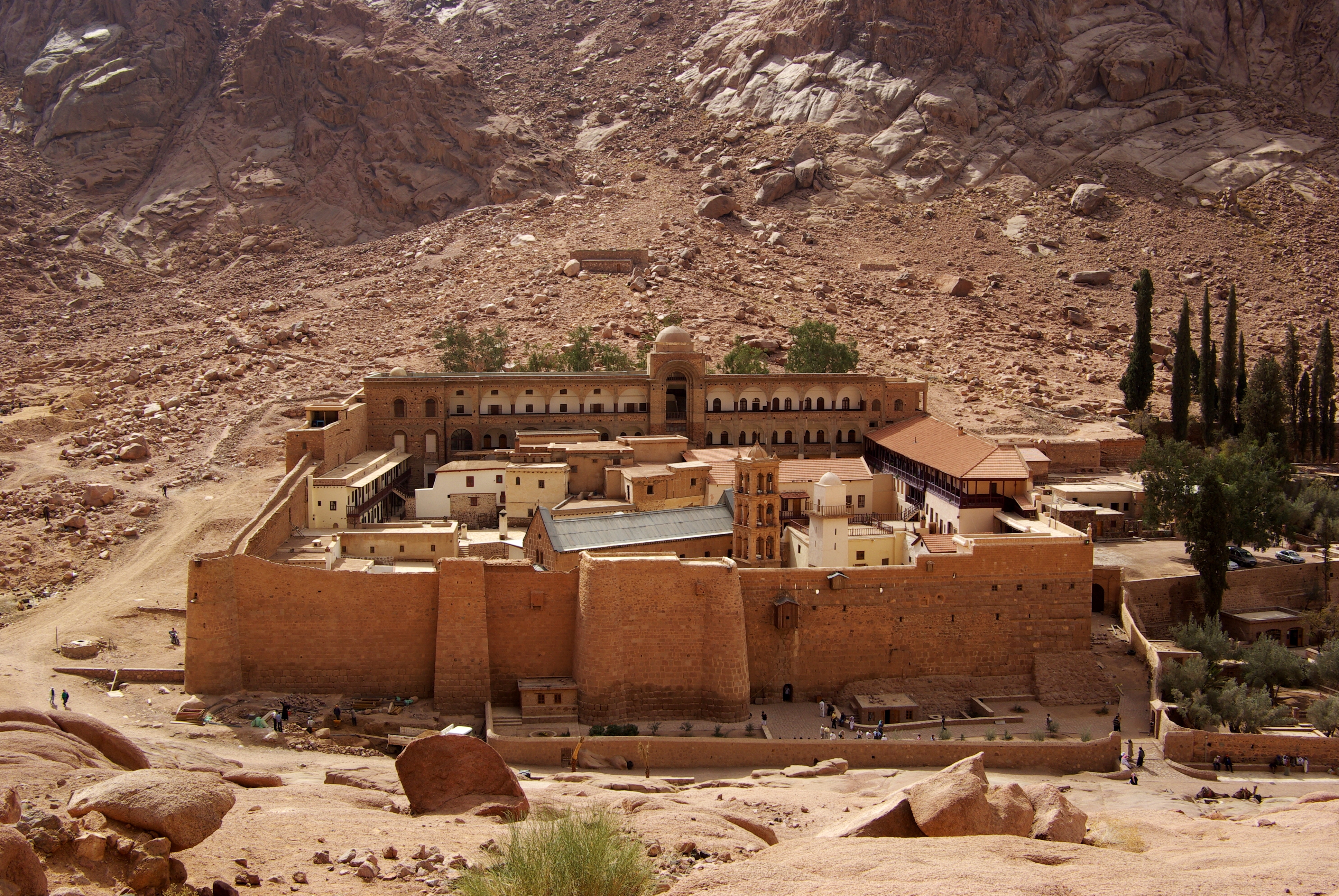
Monks of Saint Catherine’s Monastery
The monks of Saint Catherine’s Monastery in Egypt’s Sinai Peninsula have safeguarded one of the world’s oldest continuously operating libraries and countless priceless religious and cultural artifacts for over 1,500 years. Among their treasures is the oldest known icon of Jesus, the Christ Pantocrator, a masterpiece of early Christian art. Throughout history, the monks have preserved these irreplaceable works under constant threat, from invasions, religious conflicts, and political upheavals to the harsh desert environment itself. Their careful stewardship has ensured that manuscripts, icons, and relics, many unique in the world, survived when so much elsewhere was lost, making them enduring and courageous guardians of Christianity, human history, and artistic heritage.
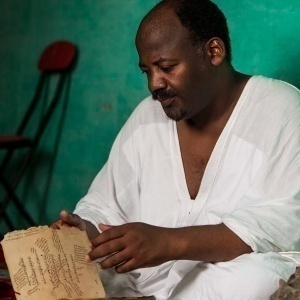
Khaled al-Asaad
A librarian and scholar from Timbuktu, Haidara led a daring operation in 2012 to rescue more than 350,000 ancient manuscripts from destruction by Islamist extremists. With the help of local families and volunteers, he smuggled boxes of manuscripts by boat along the Niger River and by road to safe locations in southern Mali. His actions preserved centuries of African scholarship and philosophy that might otherwise have vanished forever.
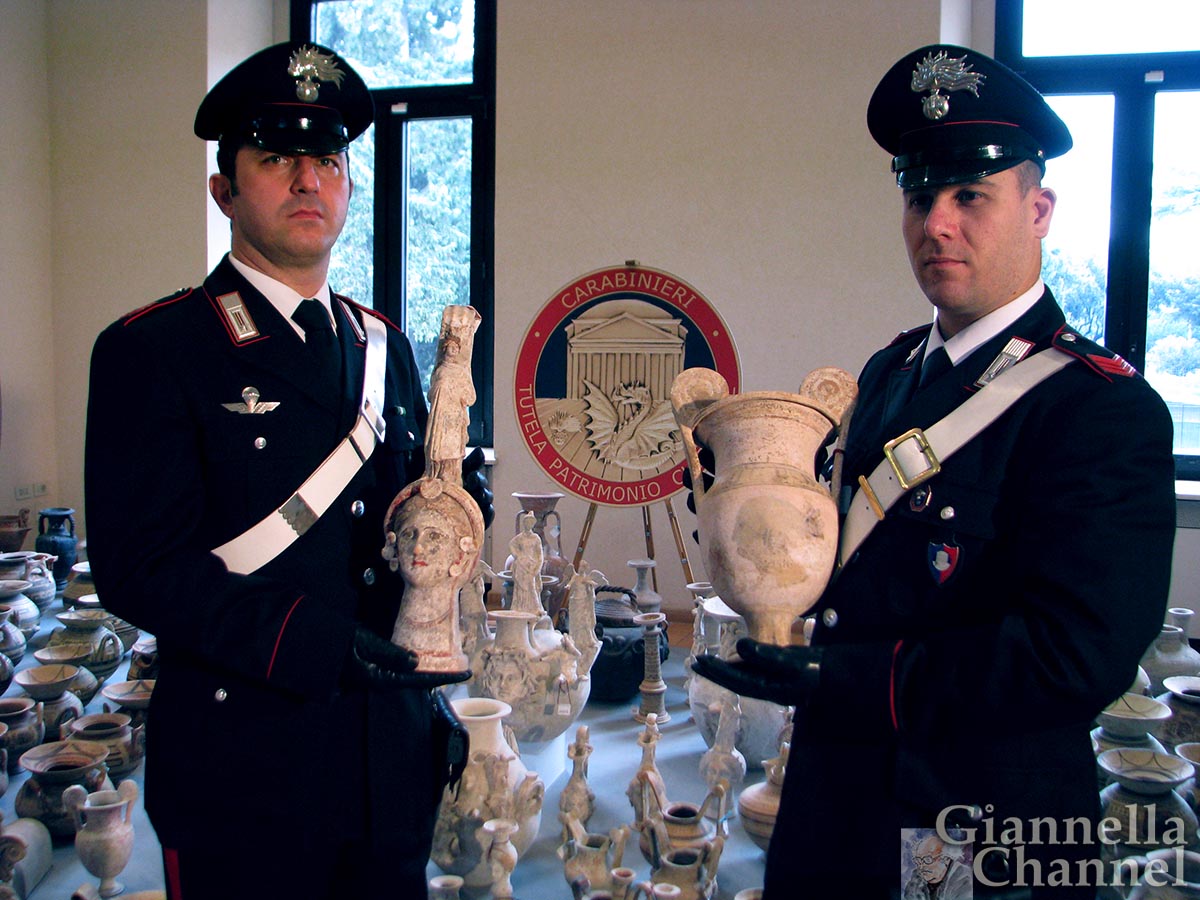
The Carabinieri Art Squad
A specialized unit of the Italian Carabinieri, responsible for preventing art theft, illegal excavations, protection of archaeological sites, recovering stolen works, etc. Since its creation, it has recovered thousands of stolen artifacts, from Roman statues and Etruscan vases to Renaissance masterpieces, and helped return looted works to museums and churches around the world. They’re among the longest-standing organized forces dedicated to cultural heritage protection and their work has made them a global model for the defense of culture against theft and destruction.
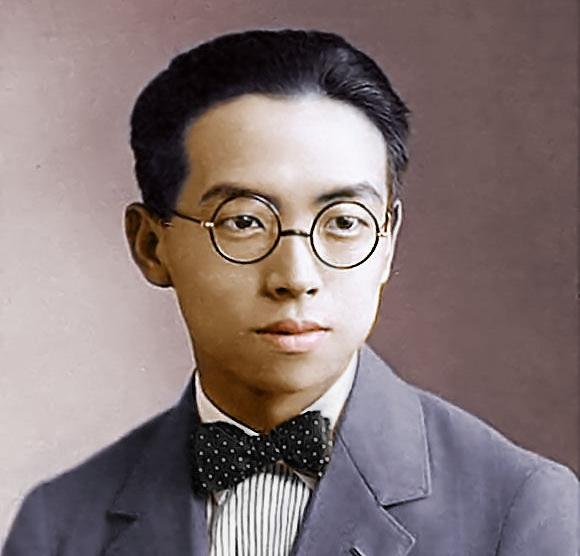
Liang Sicheng
Liang Sicheng was a Chinese architect who dedicated his life to documenting and preserving China’s architectural heritage during the 20th century. He meticulously recorded ancient buildings, temples, pagodas, and city layouts, many of which were later destroyed due to war and communism. Despite political pressures and the rapid transformation of China’s cities, Liang campaigned tirelessly to protect historic sites such as Beijing’s ancient city walls and the Forbidden City. Through his writings, drawings, and teaching, he ensured that generations of architects and historians could continue preserving Chinese cultural heritage, making him a courageous and enduring defender of human history and artistic legacy.
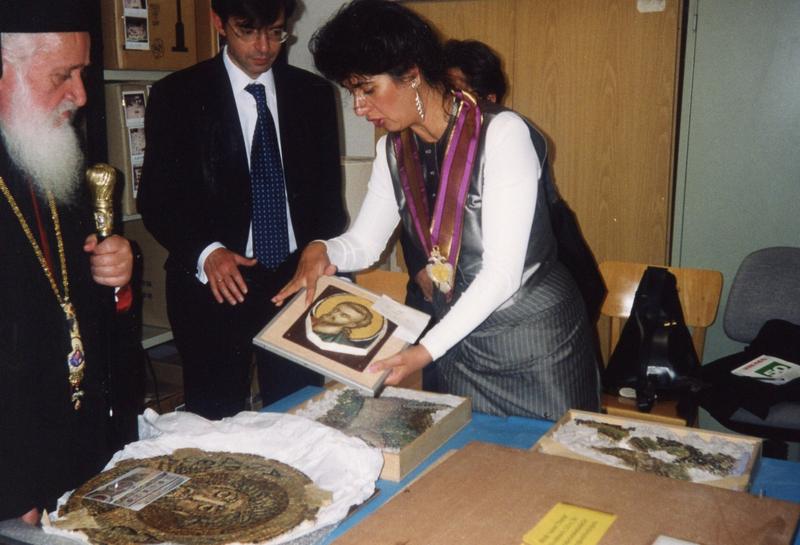
Tasoula Hadjitofi
A Cypriot cultural activist and art-restitution advocate. Hadjitofi has dedicated her life to recovering looted religious artifacts from Cyprus following the Turkish invasion of 1974. She organized the famous “Munich Case,” one of the largest art-trafficking sting operations in Europe, which led to the return of dozens of stolen Byzantine icons and mosaics. Through her foundation Walk of Truth, she continues to fight against art trafficking and to promote justice, transparency, and respect for cultural heritage worldwide.
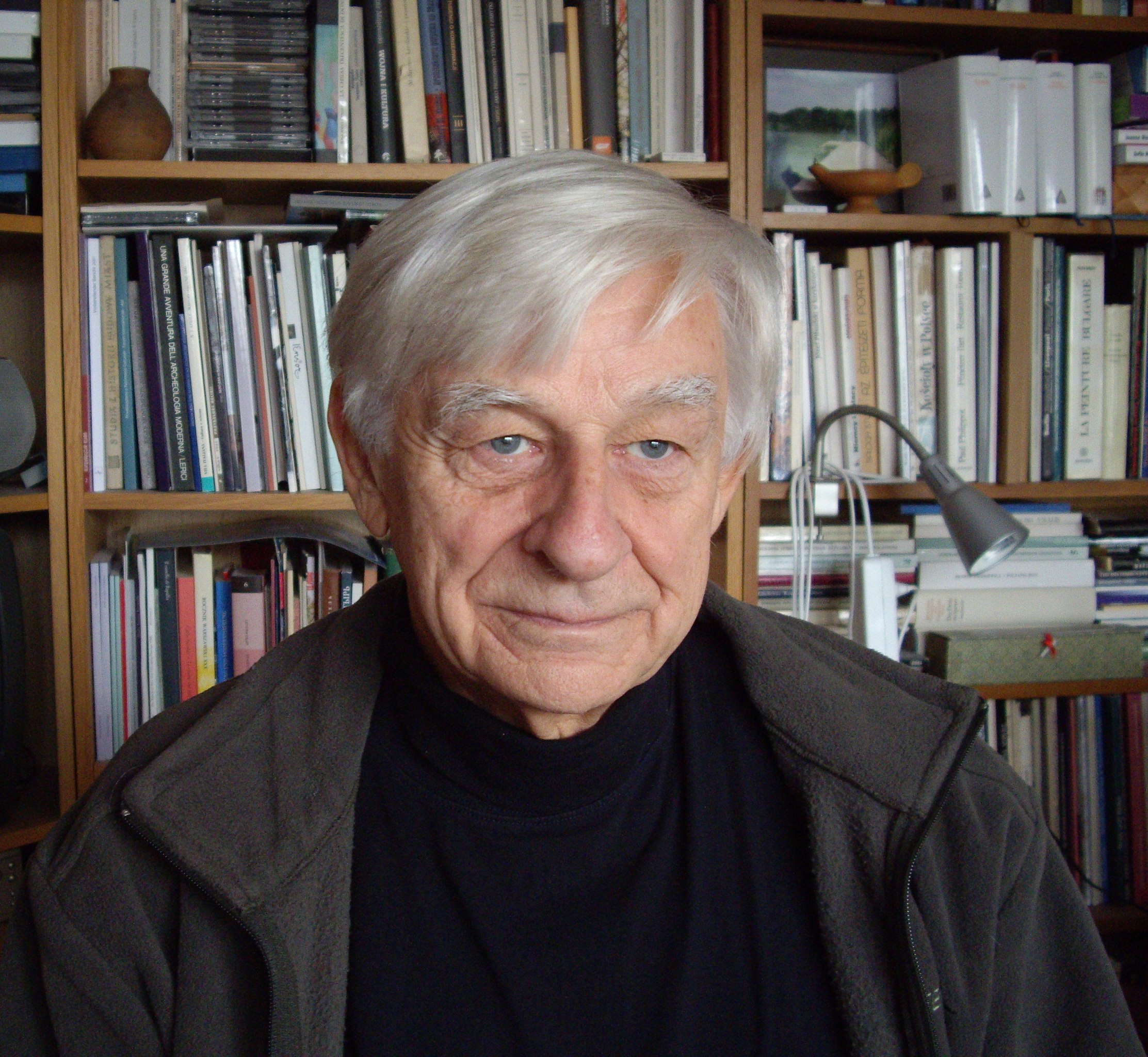
Andrzej Stanisław Tomaszewski
A Polish art historian, architect, and archaeologist, Tomaszewski played a leading role in the postwar restoration of Poland’s historic cities. As director of the State Service for the Protection of Historical Monuments, he oversaw the conservation of countless buildings and works of art. Internationally active in UNESCO and ICOMOS, he helped shape global standards for heritage preservation and promoted the idea that protecting monuments means safeguarding humanity’s shared memory.
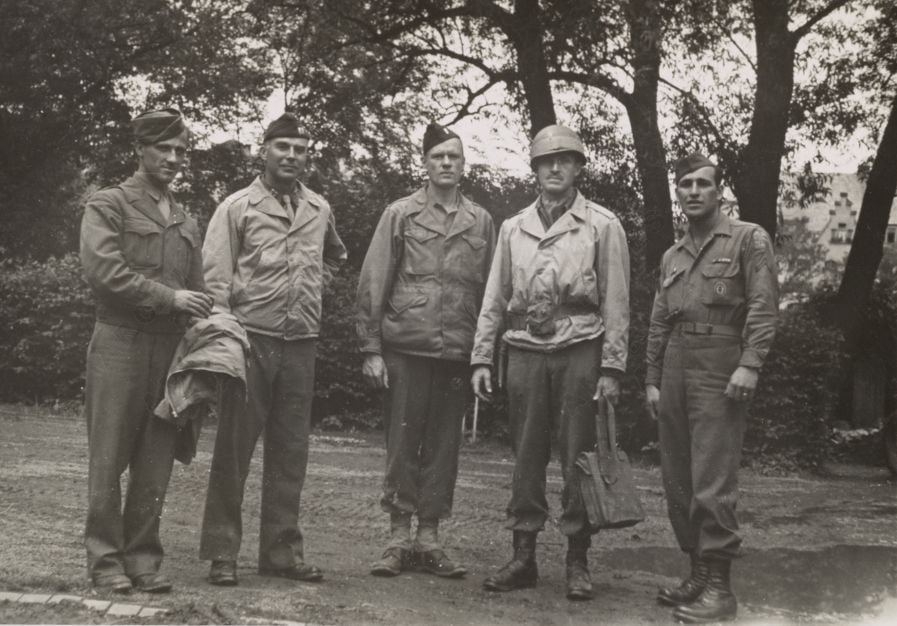
The Monuments Men
Officially known as the Monuments, Fine Arts, and Archives program, this group of Allied soldiers, curators, and art experts worked during and after World War II to track, recover, and protect cultural treasures looted or endangered by the conflict. Figures like George Stout, James Rorimer, and Robert Posey located hidden repositories of stolen art, including works by Michelangelo, Leonardo da Vinci, and Vermeer, ensuring that Europe’s cultural legacy was not lost to war.